
If you feel like you’re constantly adjusting the thermostat but your home still can’t seem to get comfortable, you’re not imagining it. Uneven temperatures from room to room or sudden swings throughout the day are clear signs something isn’t working the way it should. In a place like Central Pennsylvania, where the weather can shift quickly, those inconsistencies become even more noticeable.
Why Temperature Swings Happen Inside Your Home
Your heating and cooling system is designed to maintain a steady indoor climate. When it struggles to do that, there’s usually an underlying issue. Inconsistent temperatures often point to problems such as restricted airflow, aging equipment, thermostat malfunctions, or systems that are no longer properly sized for the home.
You might notice:
- Upstairs rooms that feel much warmer than downstairs spaces
- Cold spots in certain bedrooms or living areas
- Frequent cycling on and off
- Large temperature differences between morning and afternoon
Over time, even a well-installed system can fall out of balance. Ductwork can develop leaks, components wear down, and efficiency drops. The result is a home that never quite feels right.
The “Spring Switch” in Central Pennsylvania
March in Central PA brings a unique challenge. Mornings can start with frost on the grass, while afternoons warm up under bright sunshine. This see-saw weather forces traditional systems to flip back and forth between heating and cooling, sometimes in the same day.
Conventional equipment is not always built to handle those rapid shifts efficiently. Furnaces and air conditioners are designed for more sustained demand. During the spring transition, they often cycle more frequently, which can lead to uneven comfort and higher energy use.
This is where we often see temperature complaints increase. Homeowners notice their system running more often, yet certain areas remain uncomfortable. It’s a sign that service or repair may be needed, especially if the system is older or hasn’t been maintained recently.
When It’s Time for Professional Repair or Service
Some inconsistencies are minor and tied to seasonal changes. Others signal deeper mechanical issues. If you’re experiencing any of the following, it’s time to schedule a professional evaluation:
- Persistent hot or cold spots that don’t improve with thermostat adjustments
- Unusual noises during operation
- Rising energy bills without increased usage
- Short cycling that strains the system
- Weak airflow from vents
A thorough inspection allows us to identify whether the issue is related to ductwork, refrigerant levels, electrical components, or overall system wear. Addressing these problems early helps prevent larger breakdowns and restores balanced comfort throughout your home.
How Geothermal Systems Handle Temperature Swings Better
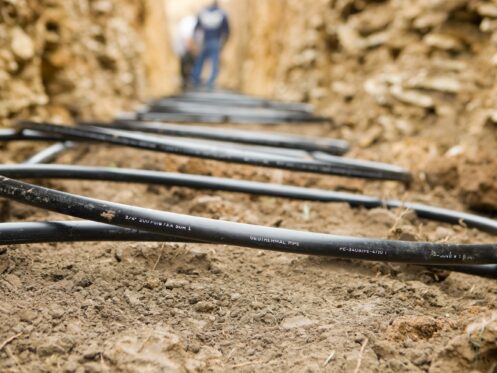
Unlike traditional systems that rely on outdoor air temperatures, geothermal HVAC technology uses the stable temperature below the earth’s surface. Because underground temperatures remain relatively constant, geothermal systems are not as affected by the dramatic outdoor shifts we see in March.
Instead of reacting to cold mornings and warm afternoons, geothermal heat pumps deliver steady performance. This stability reduces the frequent cycling that traditional equipment experiences during transitional seasons.
For homeowners tired of the spring temperature roller coaster, geothermal offers a more consistent solution. The system adapts smoothly without the strain that comes from switching between extreme operating modes.
The Solar Offset Advantage in March
Integrating solar photovoltaic panels with a geothermal system takes efficiency to another level. In Central Pennsylvania, March is often one of the strongest months for solar production. Cooler outdoor temperatures actually help solar panels operate more efficiently, while longer daylight hours increase overall output.
At the same time, heating and cooling demands are moderate compared to peak summer or winter conditions. That combination creates a highly favorable scenario for homeowners using solar to power their geothermal pump.
By offsetting the electricity required to run the geothermal system, solar reduces overall operating costs. March becomes one of the most financially beneficial months for solar-geothermal integration because production is high while energy demand is relatively balanced.
This integrated approach not only improves comfort but also enhances long-term energy performance. The geothermal system delivers stable indoor temperatures, and the solar array helps power it efficiently.
The Value of Ongoing System Maintenance
Even advanced systems require regular service to perform at their best. Preventative maintenance helps keep components clean, calibrated, and operating properly. It also allows us to catch minor issues before they develop into costly repairs.
For traditional systems, routine service reduces the strain caused by seasonal transitions. For geothermal and solar-integrated setups, maintenance protects your investment and keeps efficiency levels high year after year.
Consistent service supports balanced airflow, accurate thermostat readings, and dependable operation during Central Pennsylvania’s unpredictable spring weather.
Comfort You Can Count On in New Cumberland, PA
If your home in New Cumberland, PA is struggling with uneven temperatures or frequent cycling, it’s time to take a closer look. At Daflure, we provide comprehensive heating and cooling repair, routine service, and advanced solutions including geothermal and solar integration.
Our team evaluates your system thoroughly, identifies the root cause of inconsistent comfort, and recommends the right path forward. Whether you need targeted repairs or are considering a more energy-efficient upgrade, we’re here to help.
Schedule your service with Daflure today and experience reliable indoor comfort throughout every season in Central Pennsylvania.

 SPECIALISTS